Middle Class Buyers Are Preferring More Affordable Housing
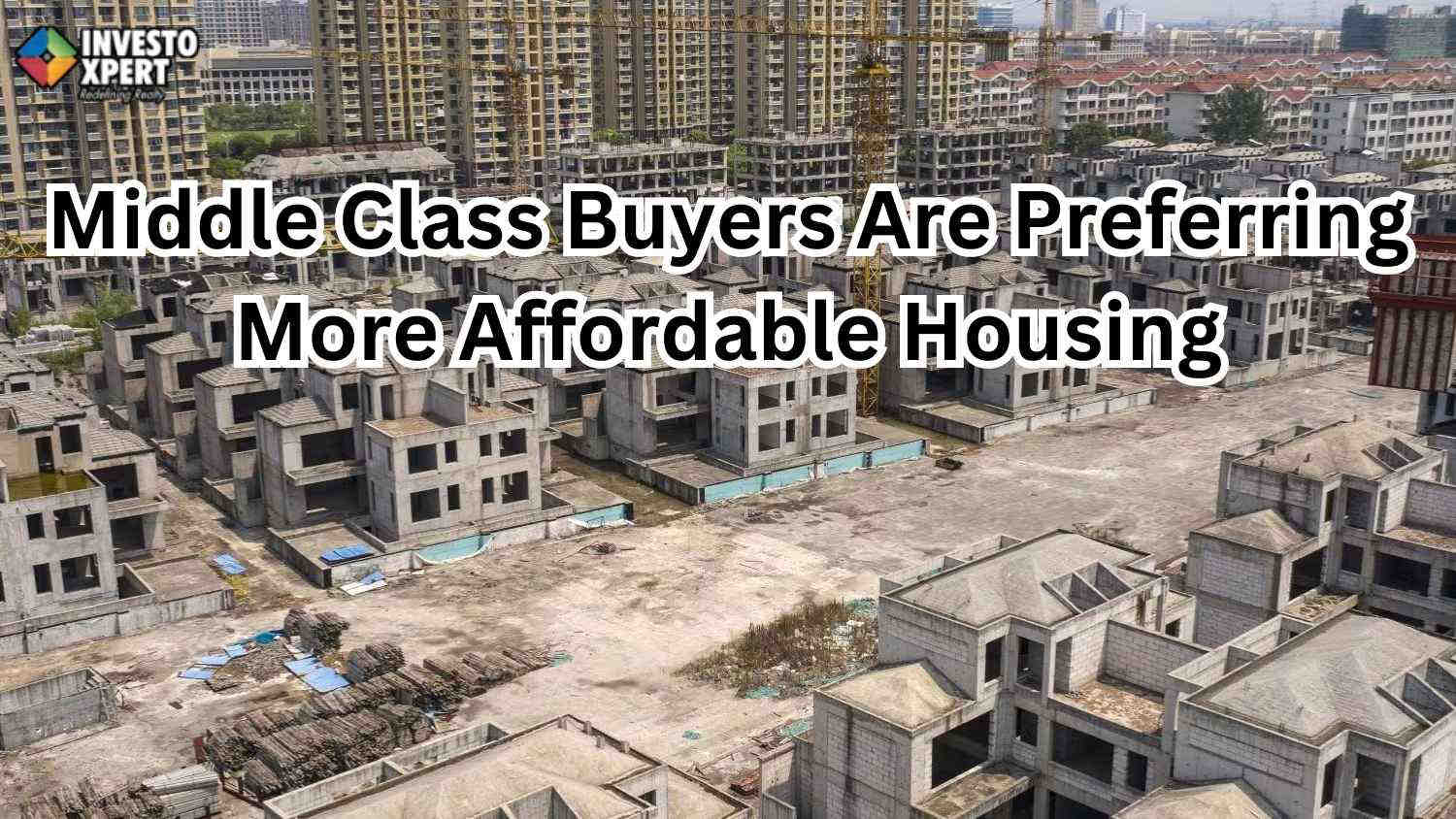
The COVID-19 pandemic's general was expected to be the end of time for the real estate sector that has exposed a number of unconventional strategies used by renowned developers to suffocate homebuyers' dreams while they fight to remain solvent. In reality, the pandemic has shown to be the catalyst and encouragement people need to make real estate investments.
After agriculture, the real estate sector in India is thought to be the nation's second-largest employer. This figure is anticipated to increase and the sector is projected to represent 13% of the Indian economy by 2025. With the increase in housing needs in the upcoming decades, it has the potential to become a significant source of wealth that is, if all necessary reforms are carried out on time.
The statewide lockdown that followed the COVID-19 outbreak in March of 2020 severely impacted the construction industry, as it did countless other industries. Numerous new launch projects in Mumbai, Bangalore and other major cities experienced delays and extended delivery dates as a result of the labor shortage brought on by the migrant exodus and the disturbance in the global material supply chain. This, together with the pandemic's effects on income reduction, caused buyers to delay their intentions to buy properties.
But the Second Quarter of Financial Year 21 lockdown relaxing, economic activity picking back up, migratory workers returning, and economic stimulus programs provided the much-needed boost on the path to recovery in the year ahead.
Many indications of the industry's current revival are there, and these could eventually spark a gradual but steady rebirth of the sector. Initially, a plethora of online alternatives have emerged for activities that would have often been done offline due to the unusual amount of time spent indoors for life safety, such as professional and informal parties, online classes, etc.
We can clearly see that our lives will center around our homes for a considerable amount of time, particularly in light of the second COVID wave.
Real Estate Becomes More Valuable Asset
Due to this paradigm change, real estate has become a more valuable asset in an investor's portfolio and the sense of security that comes with house ownership has increased. This issue has also been significantly influenced by the "Work from Home" culture. It is anticipated that the widespread tendency of home offices would open the door for the "Work from anywhere" trend. This is particularly true for the nation's technologically advanced cities and centers, such Bangalore, Hyderabad, property in Pune, Delhi, Mumbai, and so on.
From a legal perspective, since more and more buyers have faith in the real estate recovery and facilitation tools like the Bankruptcy and Insolvency Code, RERA, etc.
The prospective investment in the avenues is not hindered by the persistent challenges related to possession, delivery, and enforcement of non-delivery.
Furthermore, the Central government's implementation of tax exemptions and caps also known as fractional ownership incentives to entice investors to purchase a portion of recreational properties is a sign of the real estate industry's dynamic nature, as measures are taken to prevent market collapses.
Government Policies Boosting Real Estate Industry
In order to support the foundation of real estate projects, the government also offers incentives under the Zero GST plan, which entails zero-GST provisioning for both ongoing and pending building projects.
The government and RBI have demonstrated their faith in the real estate sector's ability to generate substantial returns in the coming years through the Zero Good and Services Tax program, which is why they believe it is imperative to give it the necessary push.
In addition, the RBI's previous prohibition on personal loan protection has further strengthened their standing as creditworthy loan recipients. The much-needed respite has made it possible for normal taxpayers to survive the economic collapse and be in a position to make payments on loans, mortgages, and other debts without going bankrupt.
The government's incentives are nothing less than an unrelenting commitment to reviving the real estate industry and related sectors. Even if these projects may have a short-term impact on the federal and state budgets, eminent economists and jurists argue that these incentives are necessary for the Indian economy to recover as a whole.
Conclusion
It follows that middle-class consumers and reasonably priced homes are essential to the revival of an industry that has become less glamorous as a result of the pandemic. In light of the current "Work from Home" and "Work-action" policies, the recent growth should be further encouraged to resuscitate the sector given the appropriate legal framework and financial incentives.
Contact InvestoXpert for more information and other realty related queries:
Call us at 9880083870 or mail us at [email protected].
Read More: 2 BHK in Noida Extension
Read More: 3 BHK in Noida Extension
Read More: 4 BHK in Noida Extension
Read More: 2 BHK in Greater Noida West
Read More: 3 BHK in Greater Noida West
Read More: 4 BHK in Greater Noida West
Read More: 2 BHK in Noida Expressway
Read More: 4 BHK in Noida Expressway
Read More: Godrej Properties Noida
Related Articles
Brigade Group Acquires Land In Bengaluru For ₹2,700 Crore Residential Project
Brigade Group procures Land In the city of Bangalore For ₹2,700 Crore Residential Project to build the landmark. Read the blog.
Real Estate Tycoon Niranjan Hiranandani Offers A Unique Glimpse of Penthouse In Mumbai.
Tycoon Niranjan Hiranandani offers the best and stunning views of his 25,000 Square feet penthouse in Mumbai.
Gurugram Leads In Under-Construction Luxury Housing Properties See Up To 55% YOY Price Growth
Gurugram is leading in Under-construction luxury housing properties with 55% YOY price growth. Read the blog.
Hyderabad Shines As Fastest-Growing City Driven By Real Estate Growth
Know about The city of Hyderabad that rises as the Fastest-Growing City with Real Estate Growth. Read the blog to know more.
Related Articles
Brigade Group Acquires Land In Bengaluru For ₹2,700 Crore Residential Project
09 Jan 2025
Real Estate Tycoon Niranjan Hiranandani Offers A Unique Glimpse of Penthouse In Mumbai.
08 Jan 2025
Gurugram Leads In Under-Construction Luxury Housing Properties See Up To 55% YOY Price Growth
07 Jan 2025
Hyderabad Shines As Fastest-Growing City Driven By Real Estate Growth
03 Dec 2024
Hyderabad’s Rise Sparks Debate: Is It Time to Invest in Your Future Here?
02 Dec 2024